
Condition & access check
Review pipe material, history, visible defects, available cleanouts, and whether further inspection is needed.
Explore serviceHigh-pressure water cleaning for suitable grease, sludge, scale, and debris—after access, pipe condition, and discharge are assessed.
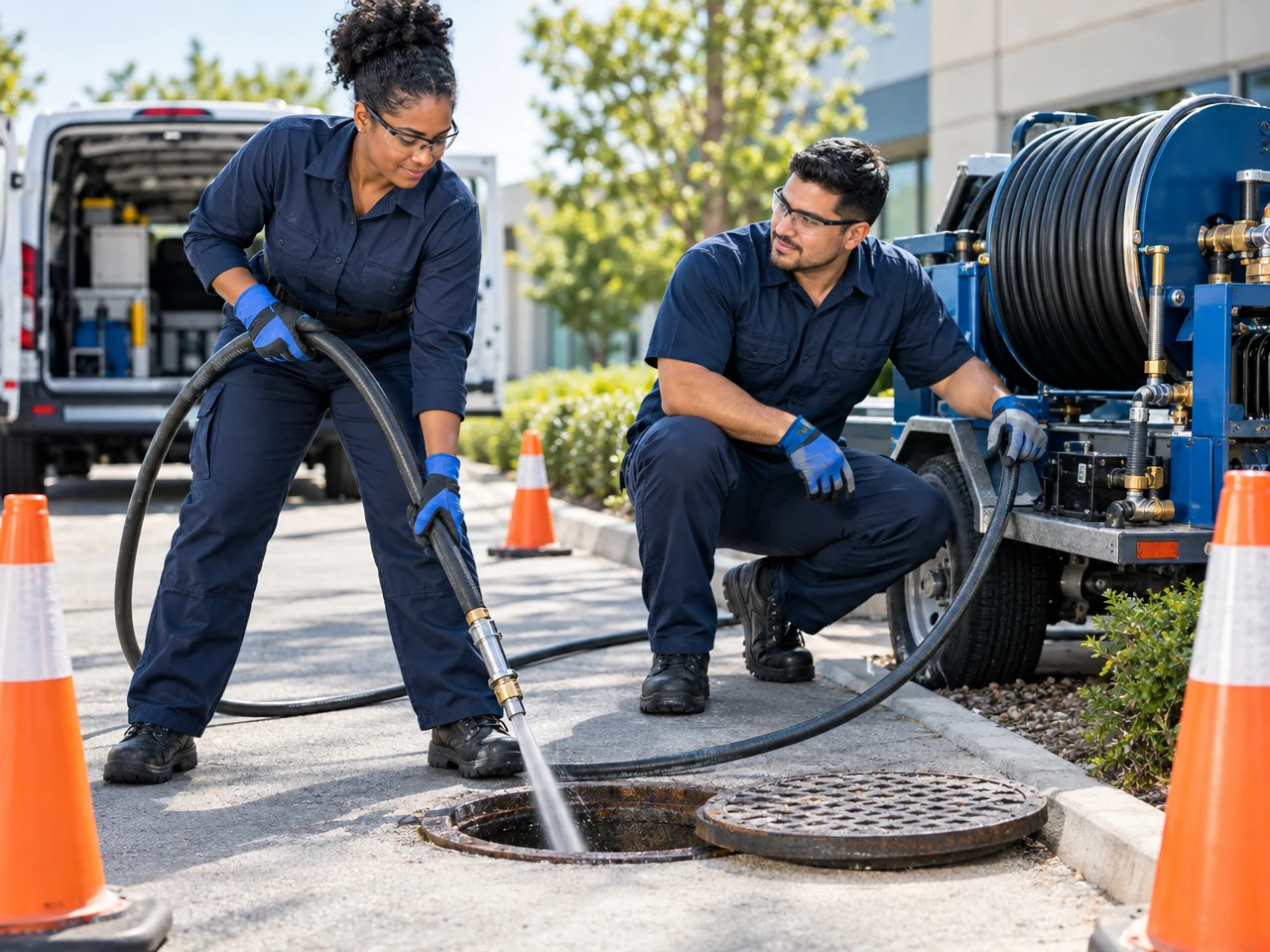
Jetting can clean deposits that remain after a simple opening is made. It is not automatically suitable for deteriorated piping, every small branch, or an unidentified system. The line, nozzle, pressure, access, wastewater handling, and work area need a deliberate plan.
Review pipe material, history, visible defects, available cleanouts, and whether further inspection is needed.
Explore serviceSelect equipment and a cleaning approach appropriate to the approved line and observed condition.
Check drainage, document limits, and discuss maintenance or separate repair if the underlying pipe remains defective.
Good intake helps separate the urgent symptom, the investigation, and the approved work.
Line size, material, service history, access points, and previous camera findings
Containment, occupied spaces, operating hours, and wastewater discharge path
Approved cleaning scope and any separately authorized inspection or repair
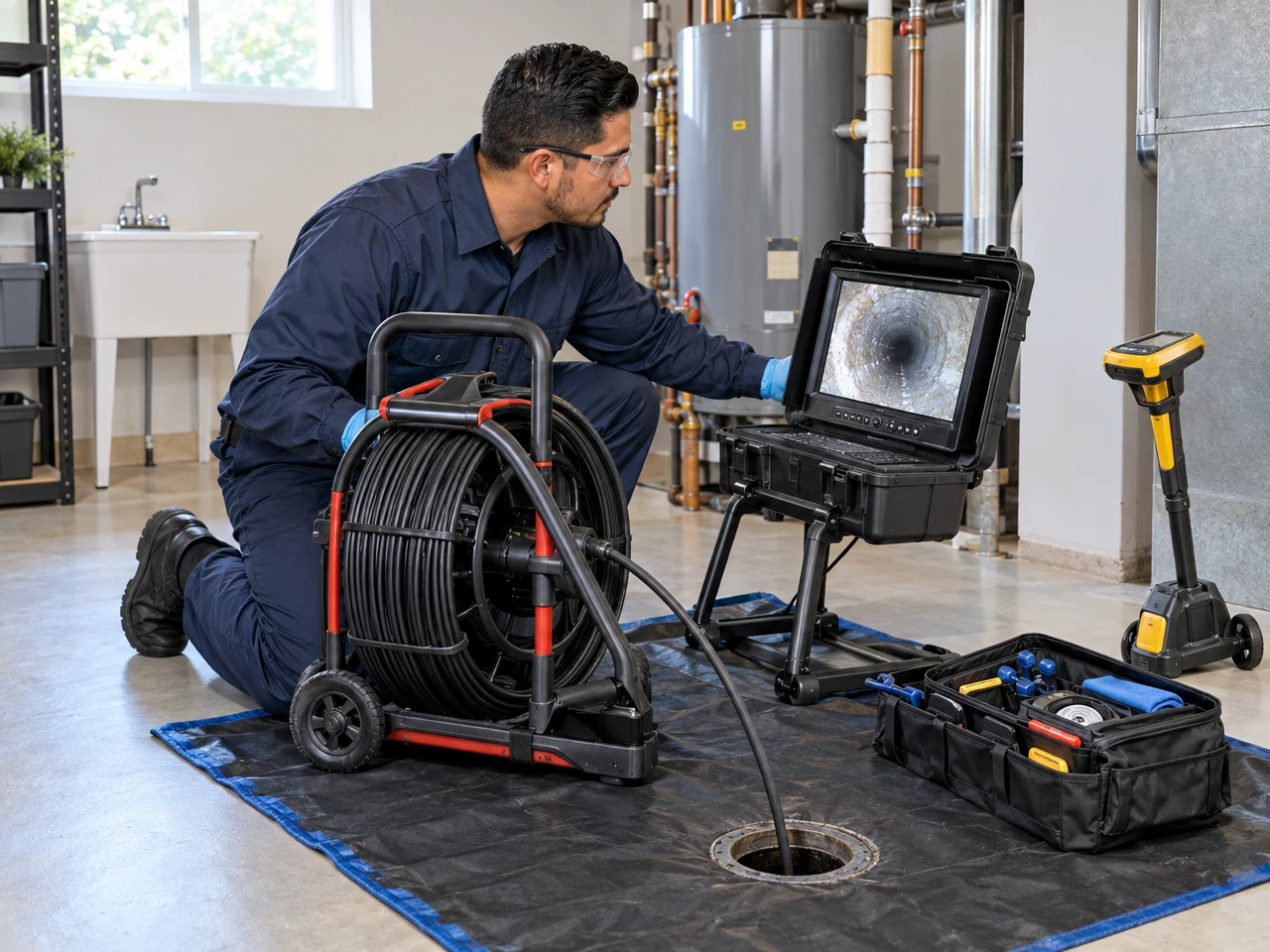
Clearing a restriction, inspecting the pipe, and repairing a defect serve different purposes. Use observed findings, safe access, pipe condition, and system responsibilities to choose the next step.
General information—not a substitute for the approved scope, equipment instructions, or governing requirements.
240.392.3535An unsuitable method or a deteriorated pipe can create risk. Assessment and equipment selection matter; “safe for every pipe” is not a reasonable promise.
The appropriate method depends on the restriction and pipe. Cable clearing, cameras, and jetting serve different purposes and may be used separately or in a defined sequence.
Base the schedule on use, accumulation, inspection findings, operating constraints, and any applicable requirements—not a universal interval.
Share the symptoms, property address, access information, and any timing constraints. For an urgent problem, call directly.