
Clear & inspect
Discuss safe clearing, camera access, recorded observations, and inspection limitations.
Explore serviceA measured approach to sewer backups, recurring stoppages, damaged laterals, and repair or replacement decisions.

A private lateral, shared building line, and public sewer can involve different owners and approvals. Camera visibility, available cleanouts, utility records, route, and depth help define what can be assessed and what work can be proposed.
Discuss safe clearing, camera access, recorded observations, and inspection limitations.
Explore serviceDefine the damaged section, method, utility coordination, testing, and restoration before authorizing work.
Explore serviceConsider trenchless, open-cut, or a hybrid solution where the pipe, route, access, and approvals allow.
Explore serviceGood intake helps separate the urgent symptom, the investigation, and the approved work.
Property address and a contact who can authorize work
Symptoms, photos, access restrictions, and previous service records
Approved scope, scheduling, permits, and restoration responsibilities
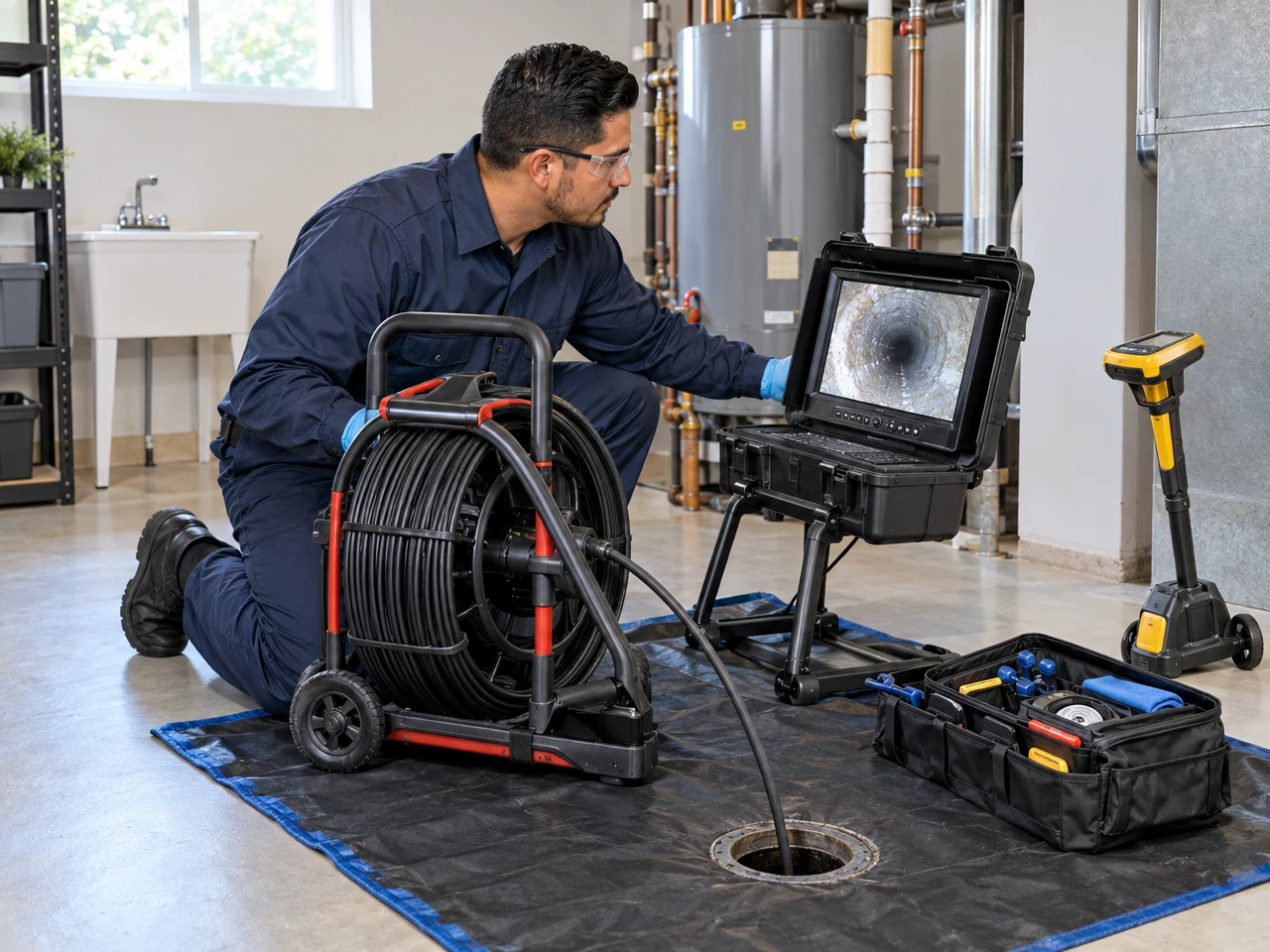
Clearing a restriction, inspecting the pipe, and repairing a defect serve different purposes. Use observed findings, safe access, pipe condition, and system responsibilities to choose the next step.
General information—not a substitute for the approved scope, equipment instructions, or governing requirements.
240.392.3535No. A blockage, root entry, line damage, grade problem, or public-system issue can need different work. Findings should guide the recommendation.
Visibility may be limited until appropriate clearing is completed. The camera report should state inaccessible or unviewed sections.
No. Route, condition, grade, material, access, nearby utilities, approvals, and method limitations determine feasibility.
Share the symptoms, property address, access information, and any timing constraints. For an urgent problem, call directly.