
Pipe bursting evaluation
Consider route, existing material, clearances, utility conflicts, insertion and receiving access, and approved pipe sizing.
Camera-led evaluation of pipe bursting, CIPP lining, open-cut, or hybrid sewer work—with technical limits explained before a method is selected.
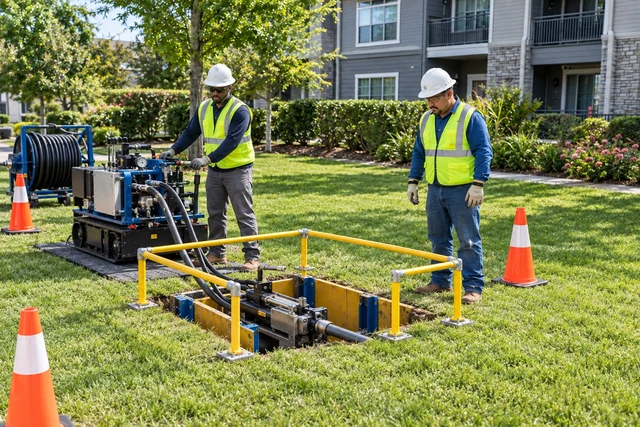
Access pits, connections, spot repairs, setup areas, and restoration may still be needed. Pipe condition, grade, material, bends, branches, nearby utilities, and approvals affect suitability. A method should follow the evidence, not a blanket promise of minimal digging.
Consider route, existing material, clearances, utility conflicts, insertion and receiving access, and approved pipe sizing.
Assess cleaning, host-pipe condition, bends, connections, liner system suitability, and inspection or testing requirements.
A grade issue, collapse, connection, or unsuitable host pipe may call for excavation or a combined approach.
Explore serviceGood intake helps separate the urgent symptom, the investigation, and the approved work.
Property address and a contact who can authorize work
Symptoms, photos, access restrictions, and previous service records
Approved scope, scheduling, permits, and restoration responsibilities
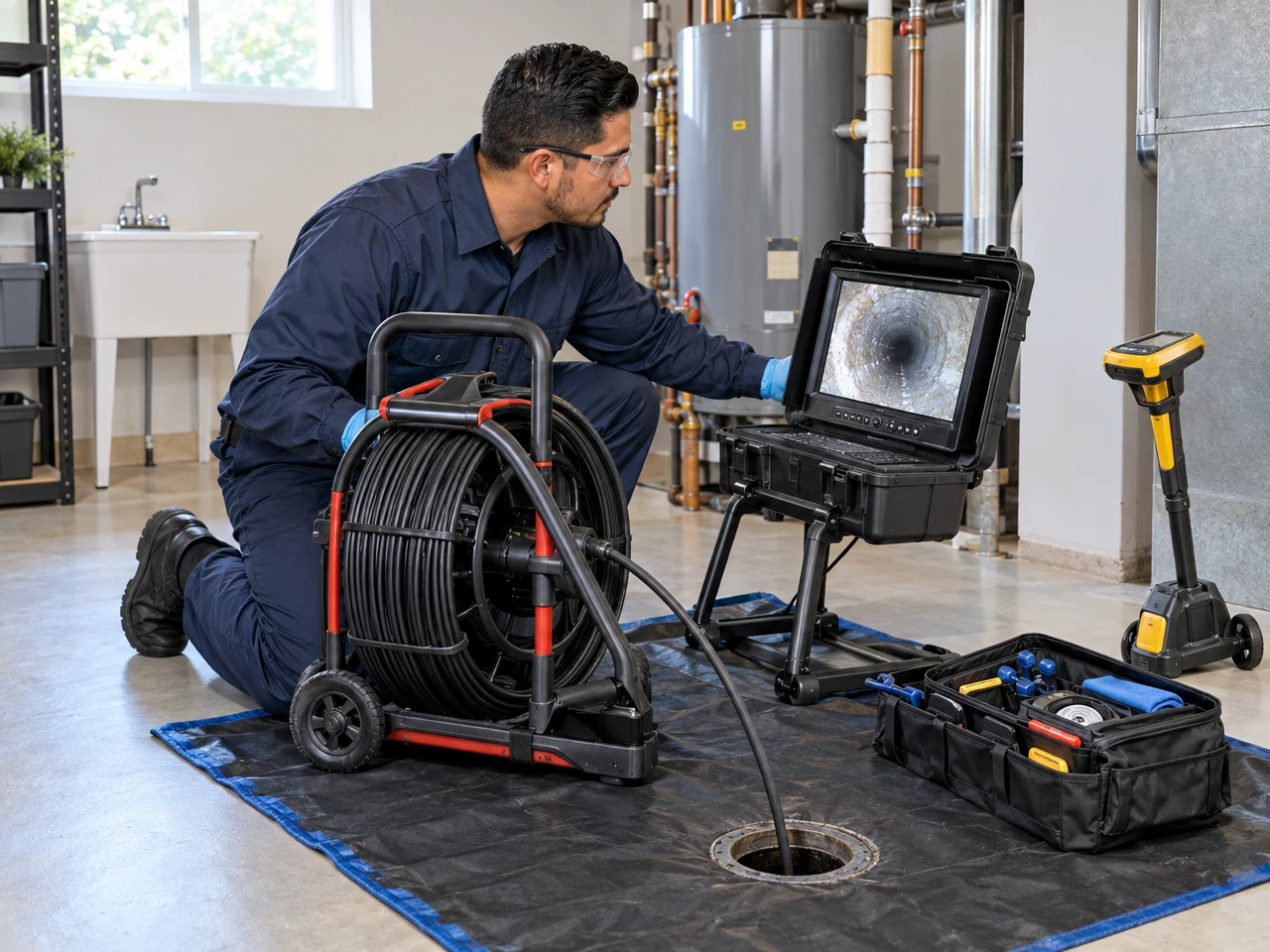
Clearing a restriction, inspecting the pipe, and repairing a defect serve different purposes. Use observed findings, safe access, pipe condition, and system responsibilities to choose the next step.
General information—not a substitute for the approved scope, equipment instructions, or governing requirements.
240.392.3535Not necessarily. Access, connections, equipment setup, and repairs can require excavation and restoration. These should be shown in the scope.
No. Condition, size, material, bends, access, and approvals determine whether a liner system is appropriate.
Share camera records, drawings, symptoms, and access information. Emerald can discuss the next evaluation needed to compare feasible methods.
Share the symptoms, property address, access information, and any timing constraints. For an urgent problem, call directly.