
Tank pumping
Confirm tank locations, access points, truck reach, contents, and the authorized service. Transport removed material to an approved receiving facility.
Explore serviceTank pumping, inspection, cameras, access improvements, repair evaluation, and installation planning for properties with onsite wastewater systems.
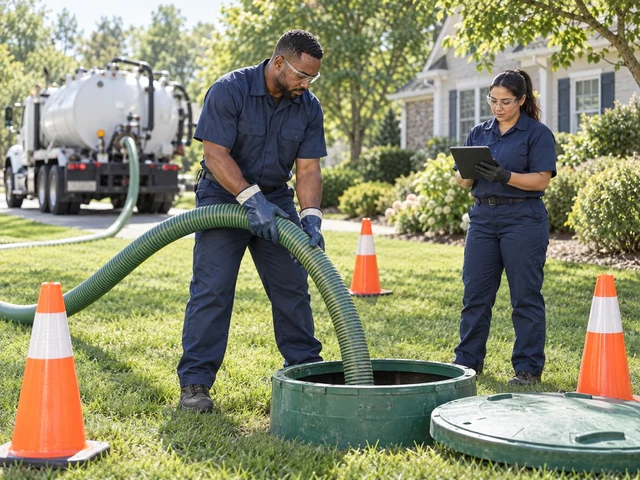
Start with the property records, system type, symptoms, and access. Pumping removes tank contents; it does not prove that the drain field, controls, piping, or treatment components are functioning correctly. Findings and any proposed additional work should be documented separately.
Confirm tank locations, access points, truck reach, contents, and the authorized service. Transport removed material to an approved receiving facility.
Explore serviceReview accessible components and record what can and cannot be observed. Specialized evaluations may require additional qualifications.
Explore serviceDiscuss safe, serviceable access with suitable lids, seals, elevations, and any required approvals.
Explore serviceAssess reported alarms, pump issues, damaged baffles, piping concerns, or recurring backups before pricing a repair.
Explore serviceNew systems and replacements require the appropriate site evaluation, design, health-department approvals, and installation authority.
Explore serviceKeep service history, accessible component findings, approved repairs, and receiving documentation together.
Explore serviceOpen a service page for details, limitations, and the information needed for an inquiry.
Open the original eight-page design. This file has not been changed.
View page ↗New service pageNew and replacement onsite wastewater systems planned around property eligibility, design, permits, access, and long-term maintenance.
View page ↗Good intake helps separate the urgent symptom, the investigation, and the approved work.
System records, tank locations, alarm information, and recent pumping history
Safe access, hose distance, gates, surface conditions, and truck clearance
Required health-department permits, system-specific qualifications, and receiving arrangements
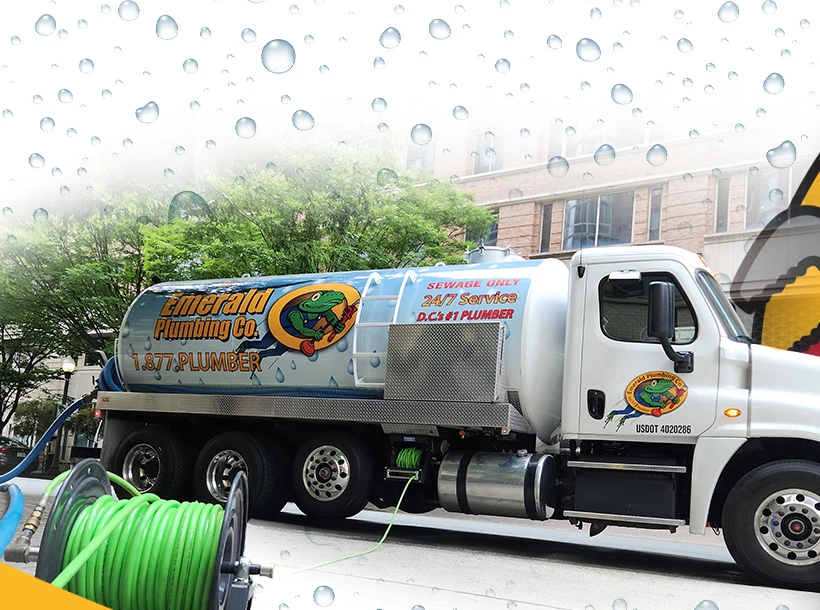
Pumping, inspection, component repairs, and installation planning are different services. Begin with the system records and accessible findings so each next step has a defined purpose.
General information—not a substitute for the approved scope, equipment instructions, or governing requirements.
240.392.3535Not necessarily. Pumping can be part of the authorized service, but a failed or saturated dispersal area requires a separate evaluation and an approved corrective plan.
The interval depends on use, tank and system design, solids accumulation, manufacturer instructions, and local requirements. It should not be selected from a single universal calendar.
Installation depends on property eligibility, site conditions, design, permits, current licensing, and local approval. The location and system must be reviewed before a commitment is made.
Share the symptoms, property address, access information, and any timing constraints. For an urgent problem, call directly.